Pricing Sep 8, 2026 6 min read
Pricing a heat pump without the spreadsheet
A price book is a recipe, not a list of prices. Build it from parts and labor, set a margin floor first, and keep it current without thinking about it.

Naomi Amaya
Co-founder and CTO
Most HVAC shops we talk to have a price book. It lives in a spreadsheet the owner built in 2016, updated twice a year when the distributor sends a new sheet, and it is open on exactly one laptop. Techs in the field carry a laminated copy, or a photo of one, or they call the office.
That works until it doesn’t. A part goes up 9 percent in March and the laminated card does not. A new tech prices a 4-ton job off the 3-ton line. The owner finds out in October that half the summer’s replacements went out under margin.
Start with the parts, not the systems
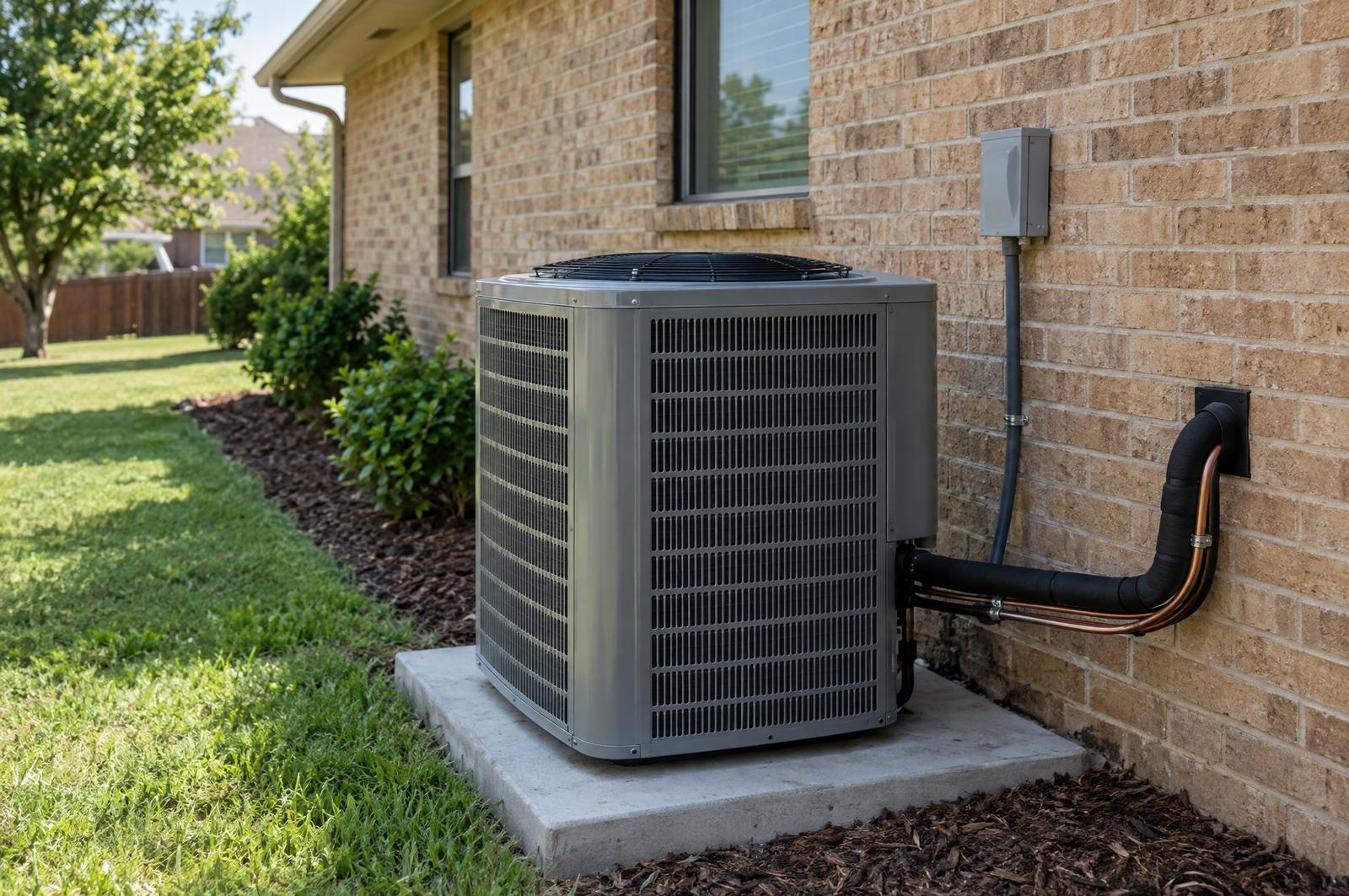
A good price book is built from the bottom: equipment cost, the parts that go with it, labor hours, permit and disposal fees, and the margin you need on top. A heat pump replacement is not a price, it is a recipe.
- Outdoor unit and matched air handler, at your actual distributor cost
- Line set, pad, disconnect, whip, refrigerant and the small parts nobody remembers until they are short
- Labor hours for the job type, times your loaded hourly rate
- Permit, haul-away and startup, which vary by city more than anyone admits
When the recipe is right, the price is just arithmetic. When a part cost changes, every system that uses it changes with it.
Set a floor before you set a price
The single most useful number in a price book is the margin floor: the lowest gross margin you will ever let an option go out at. For most residential replacement shops it lands between 30 and 35 percent. Below that, a callback or a warranty claim turns the job into a loss.
In Quotient the floor is a setting, and no option on any proposal can be priced under it without the office signing off. Before Quotient, the floor was a rule the owner repeated at the Monday meeting.
We found eleven jobs last summer that went out at 22 percent. Nobody did it on purpose. The sheet was just old.
Keep it current without thinking about it
Distributor pricing is where most books go stale. Shops on our Shop plan connect Ouachita Supply or Kiamichi Distributing and get part costs refreshed every morning at 6:00 AM CT. Everyone else uploads the distributor’s sheet when it arrives, and Quotient flags every system whose margin moved more than two points.
The goal is that a tech in Broken Arrow at 4:00 in the afternoon is pricing from the same numbers the owner would use if they were sitting at the table. Not last spring’s numbers. Today’s.
What it looks like at the table
When the book is right, the tech’s job gets simple. They pick the system they would install, and the three options build themselves around it with the right parts, the right labor and the right margin. The homeowner sees clean totals and a monthly payment for each. The owner sees a margin on every line that they set, not one they hoped for.
A spreadsheet can do all of this, in theory. In practice, the price book that works is the one that is in every truck, the same everywhere, and current on the day the quote goes out.